Home

I am a Postdoc in the Department of Biology at the University of Ottawa, working with Dr. Heather Kharouba. I completed my PhD in 2025 with Dr. Risa Sargent at the University of British Columbia in Vancouver, Canada.

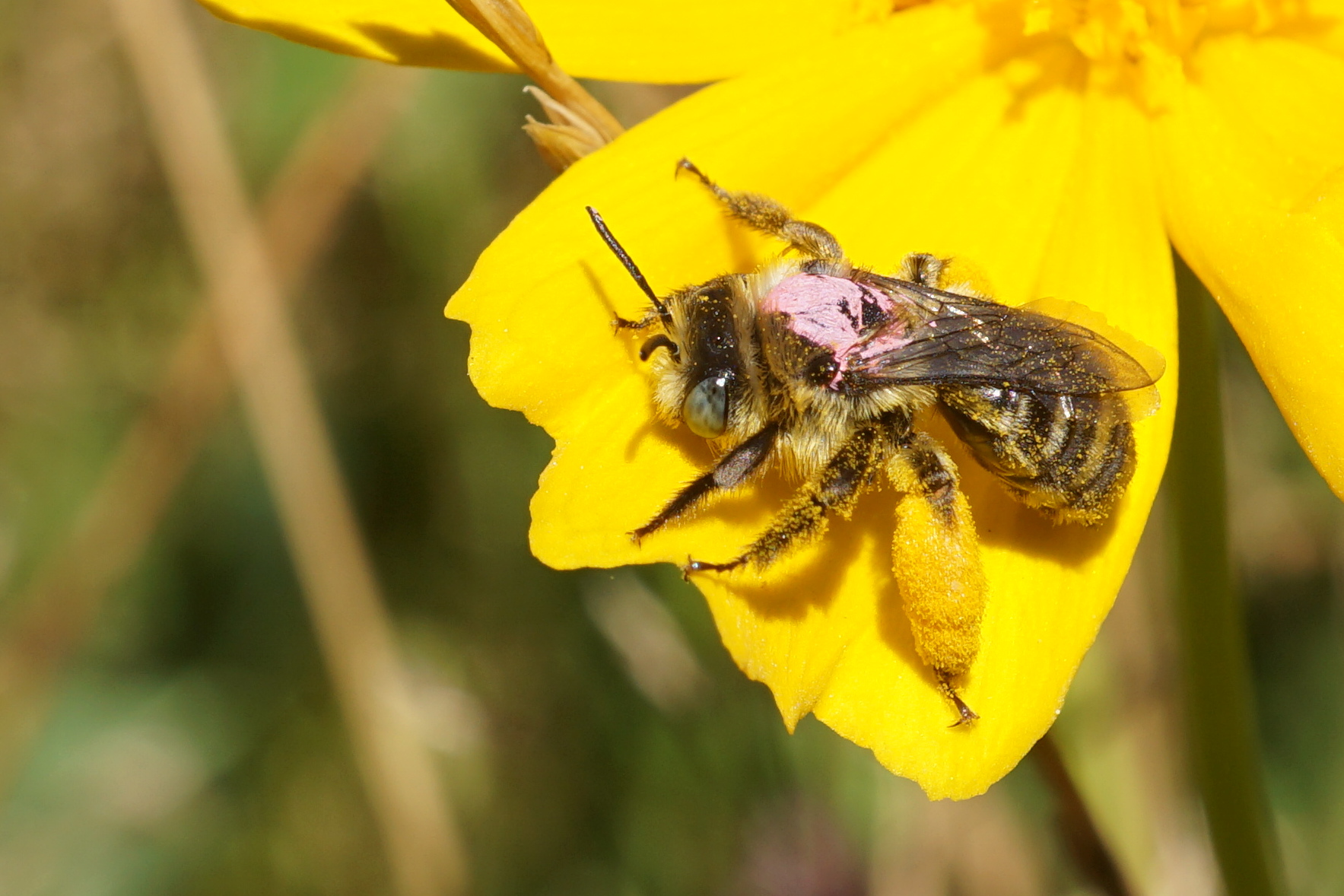
My research is driven by a motivation to promote insect conservation in a changing world. Insects and the plants that they interact with are experiencing widespread declines. To minimize or reverse these declines, we need to better understand the threats to insect and plant biodiversity, and develop strategies that make insects and plants more resilient to these pressures.

To address my research questions, I use a combination of field work and data synthesis. Throughout my work, I implement hierarchical Bayesian models that disentangle biases introduced by data observation processes from the ecological processes that drive spatial and temporal patterns in species abundance, occurrence and diversity. I am especially interested in using hierarchical model structures to integrate data from different sources, including community science data such as detections from iNaturalist.

CV

contact: ujens@uottawa.ca
Research Themes

  • Conservation in Urban Landscapes

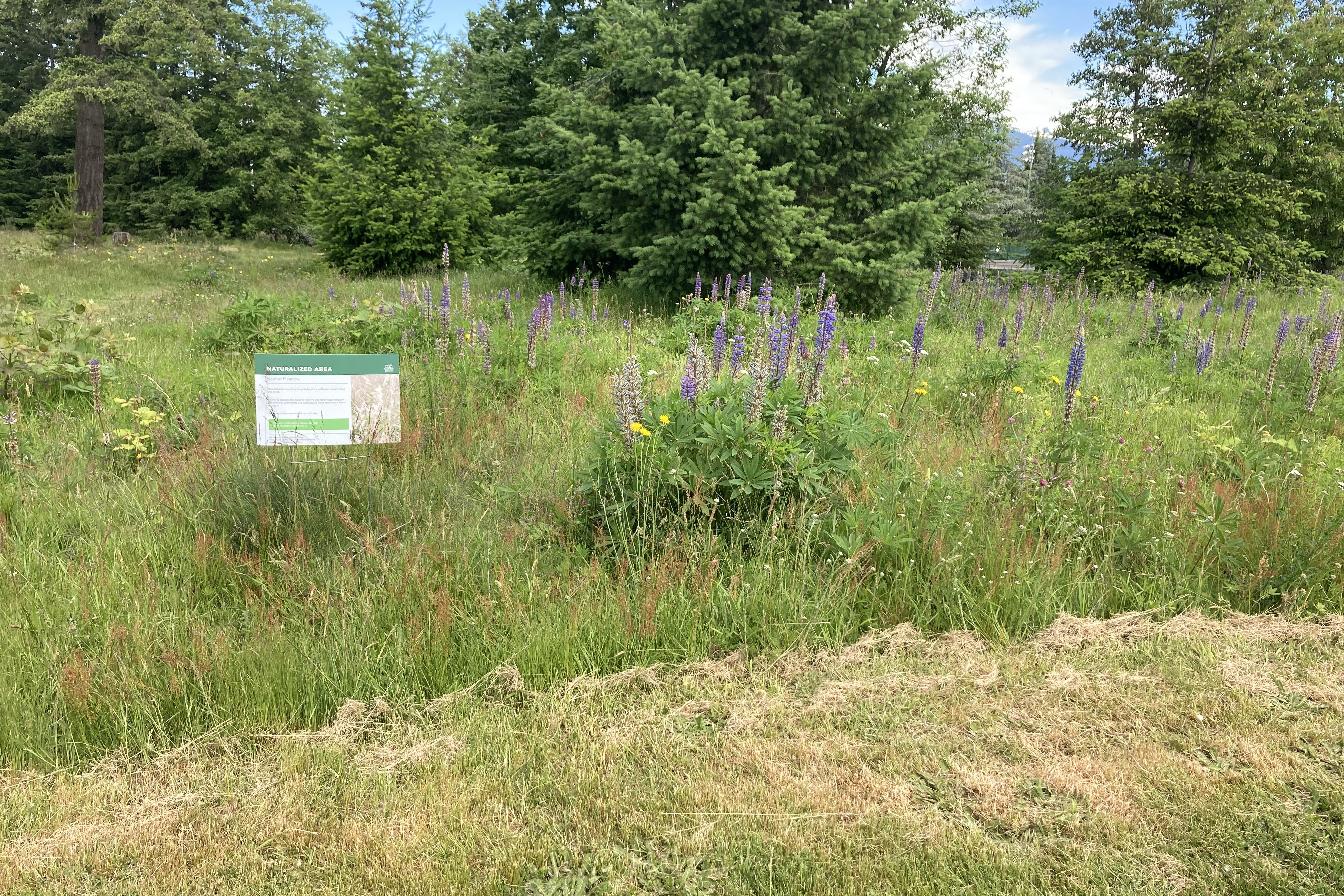
    Urbanization drastically alters the environment in many ways that may be harmful for many species, which may contribute to widespread insect declines. At the same time, we need biodiversity in cities and towns where it is deeply intertwined with human health and livelihoods. For example, urban biodiversity provides pollination in urban agriculture and helps moderate unsuitable temperatures and storm impacts. Further, because most of the world's human population lives in cities, urban biodiversity provides opportunities for people to build strong connections with nature. To this end, I'm interested in determining what makes a city a place where beneficial insect pollinators thrive. During my PhD, I found that across all cities in the U.S., the amount of undeveloped greenspace in an urban landscape increases landscape-scale pollinator species diversity (link). Working with landscape architects and land managers from the City of Vancouver Parks Board, I also found that pollinator meadow restorations in urban parks create sustained increases in pollinator biodiversity (link). Currently, using community science data, I am exploring how city-wide design and management mediate the impacts of park size and isolation on butterfly community dynamics.

  • Climate Change Resilience

    Warming climates are negatively impacting insects, with important implications for the health of ecosystems and human populations. For example, changing the structure of pollinator communities can alter the stability of pollination services. Not only is the climate becoming warmer on average; we also expect increases in climate variability in future years, with an increasing frequency and severity of extreme climate events (such as heatwaves or droughts). To promote long-term biodiversity conservation, we need to determine what makes insect communities resilient to extreme climate events. Resilience includes the ability to withstand disturbance as well as the tendency to return to a stable state following disturbance. Identifying predictors of resilience will allow us to target protections for vulnerable systems and also develop more sustainable habitat restoration strategies. Currently, I am testing the relative importance of overlap in plant-pollinator species interaction partners (interaction network properties) versus variability in plant-pollinator species sensitivity to climate stress (response diversity) for climate change resilience.

  • Introduced Species and Range Expansions

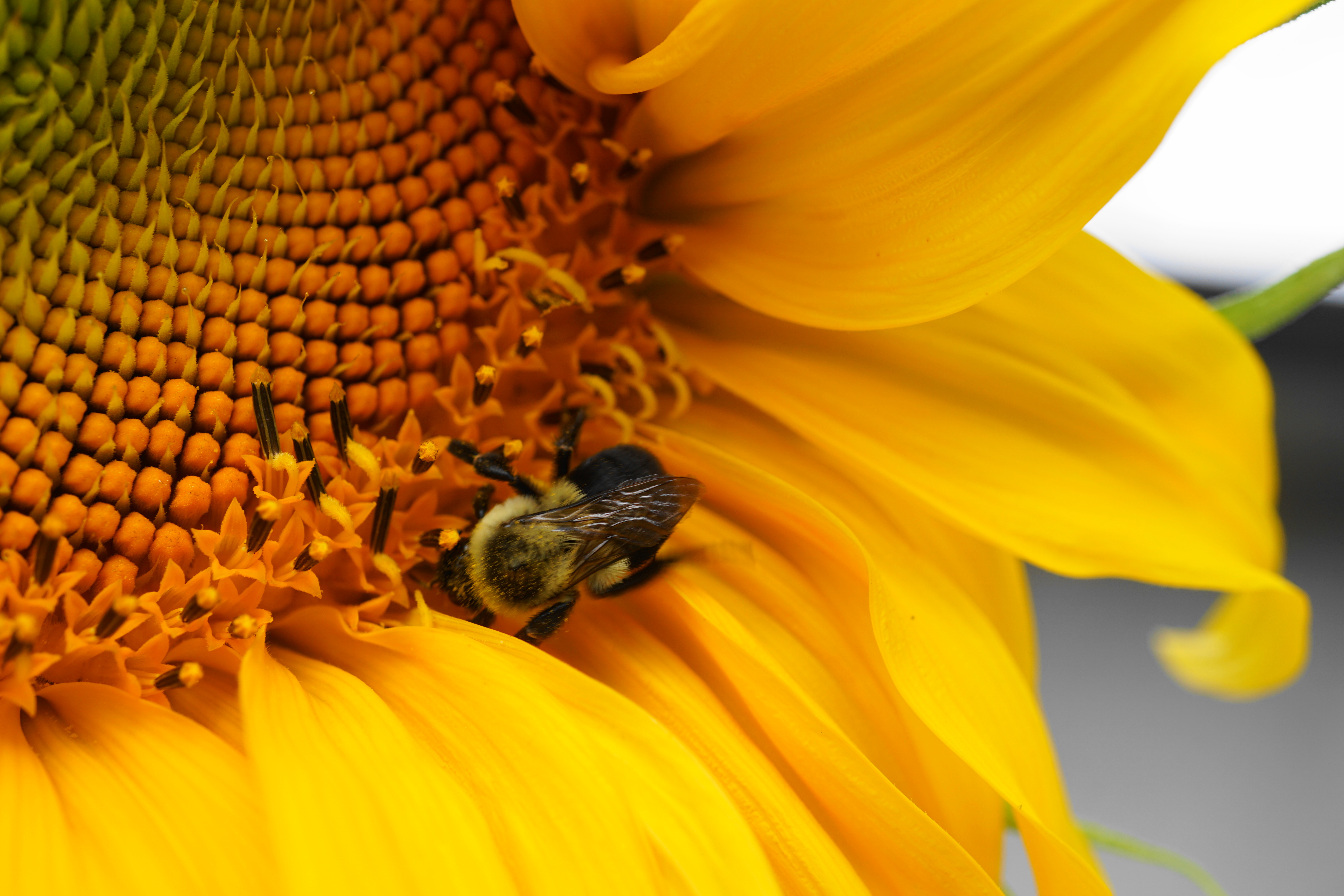
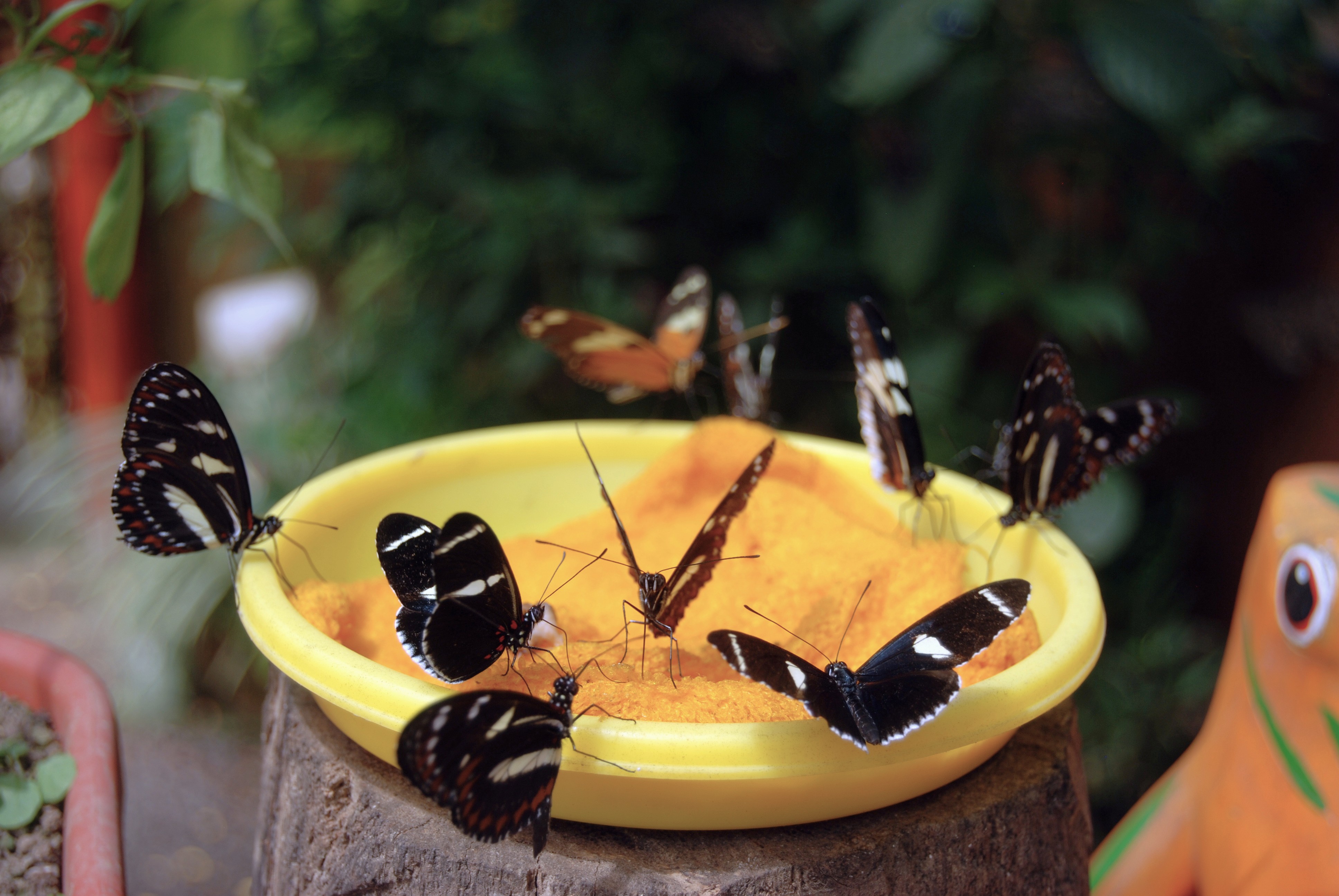
    Ongoing species introductions have potential to harm populations or restructure communities. Even beneficial species like pollinators can impact ecosystems when they are introduced outside of their native range. Within the past few decades, the eastern bumble bee (Bombus impatiens) was recently brought to western Canada for managed pollination of greenhouse crops. This species has since escaped and appears to be rapidly expanding and establishing in nearby landscapes, where we found that it interacts with native bumble bee species (link). I'm currently working to clarify the extent to which these interactions negatively impact native pollinator species and, moreover, how landscape characteristics contribute to the ongoing spread of this species in the Pacific Northwest region. More broadly, by looking at the spatio-temporal dynamics of an invasion process, I'm interested in determining what range expansions can tell us about why species ranges over- or under-fill theoretically suitable landscapes, and also why some species are more successful at expanding their range while others seem to be undergoing range contractions.

  • Sampling Design, Imperfect Detection, and Community Science

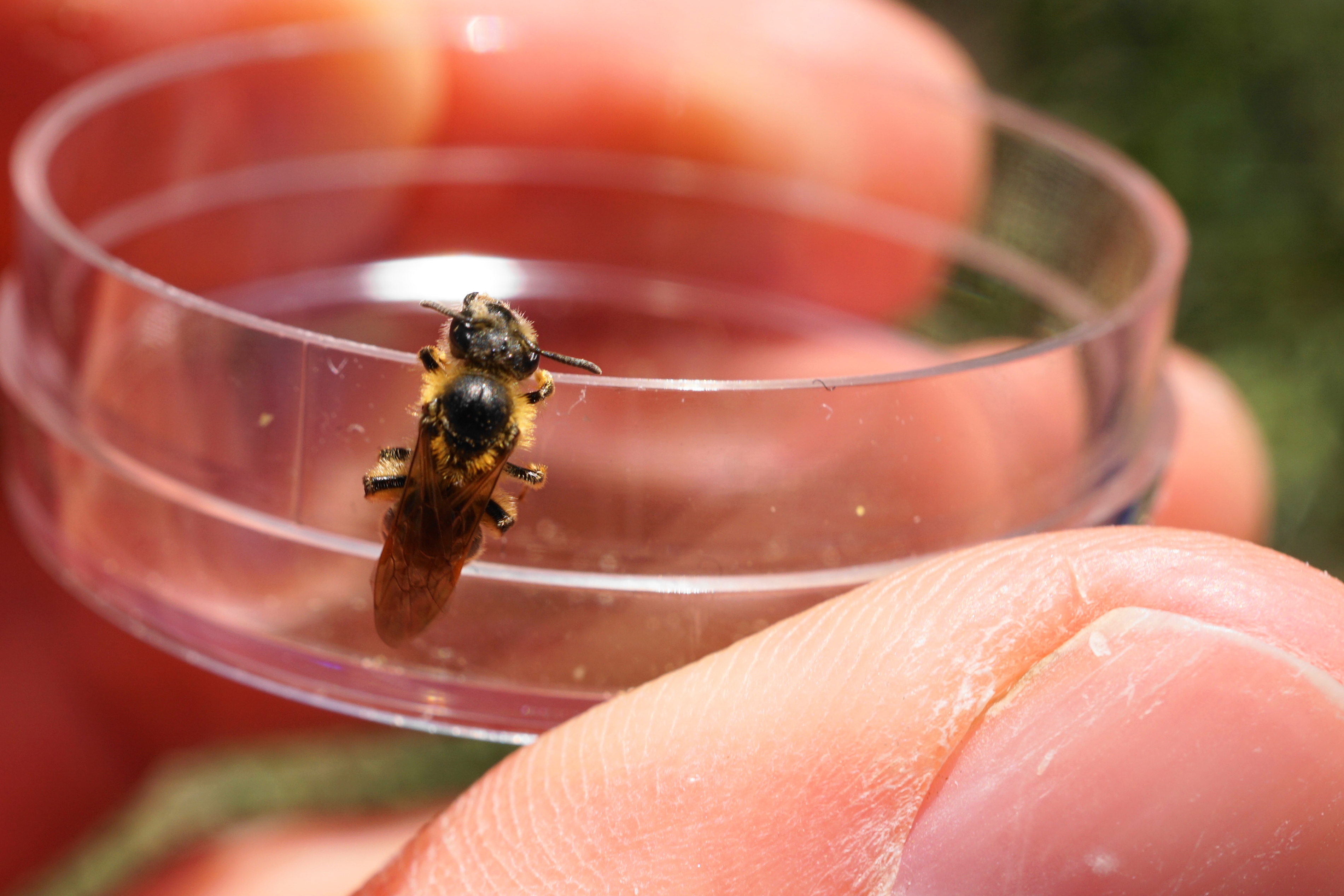
    I frequently utilize hierarchical models (aka multi-level models) such as occupancy models or mixture models. These models are especially helpful for disentagling data observation processes from ecological processes. For example, separating effects of floral resource abundance on the ease of detecting a pollinator with a net or trap from the effects of floral resource abundance on whether or not a pollinator species is present. Hierarchical models can also help account for messy and opportunistic detection in community science datasets. For example, accounting for increasing detection rates over time or variation in participation intensity across different socioeconomic groups (link). As a part of my PhD, I used mark-recapture approaches to determine how habitat quality impacts the probability of detecing individual insect pollinators in a field study setting. Mark-recapture methods are difficult to implement and so conventional GLM's are likely to remain a widespread tool for comparing pollinator abundance across habitats. Using simulation, I showed that prioritizing increased detection rate at individual sites (i.e., increasing sampling effort) over adding more study sites that are lightly sampled minimizes potential bias of GLM estimates (link).

    Primarily, I use Stan to build and fit hierachical Bayesian models.

Publications

For an updated list of my publications, please visit my google scholar page.

Here are a few representative recent publications from my work:

Ulrich, J. and Sargent, R. 2025. Habitat restorations in an urban landscape rapidly assemble diverse pollinator communities that persist. Ecology Letters 28(1), e70037. link

Ulrich, J. and Sargent, R. 2025. Estimating the ecological drivers of insect abundance when detection is imperfect. Journal of Animal Ecology 00: 1-14. link

Ulrich, J. and Sargent, R. 2025. Urban landscapes with more natural greenspace support higher pollinator diversity. Ecological Applications 35(1), e70005. link

Teaching

I TA'd for eleven course sessions as a graduate student. Most recently, I TA'd for Pollination Ecology (ABPI490B) and Agroecology II (APBI360). As the first TA for these new courses, I had the opportunity to shape much of the material.

For APBI360, I created an activity to introduce third year students to the capabilities of R. For this activity, we use simulation to recreate the data presented in a paper on the effects of pesticide use on trophic interactions. We then reconduct the analyses performed by the original authors and regenerate the figures from the paper. I think that this kind of activity, where we reproduce the work of others, is a helpful way to demistify ecology and data science.

For APBI490B, I organized a lab series where we use pinned specimens to learn to identify pollinator families and common species from the Vancouver area. We also visit the UBC farm to conduct pollinator observations and dissect seminal papers from the pollination ecology field.

Other Stuff

Outside of work I like to do a lot of things: I like to walk the neighborhood with my dog (she's a papillon named Cranberry); I love gardening (tomatoes are my favourite); I play a lot of music (in the past I've played in some screamo, emo, and grindcore bands. I'm currently working on making ambient fantasy-adjacent dungeon synth music); I also watch a lot of tv and movies (especially horror, 2000's dramas and survivor). Some other things I enjoy doing are reading fantasy books, painting, knitting, and baking.